








Košík
Váš košík je momentálne prázdny.
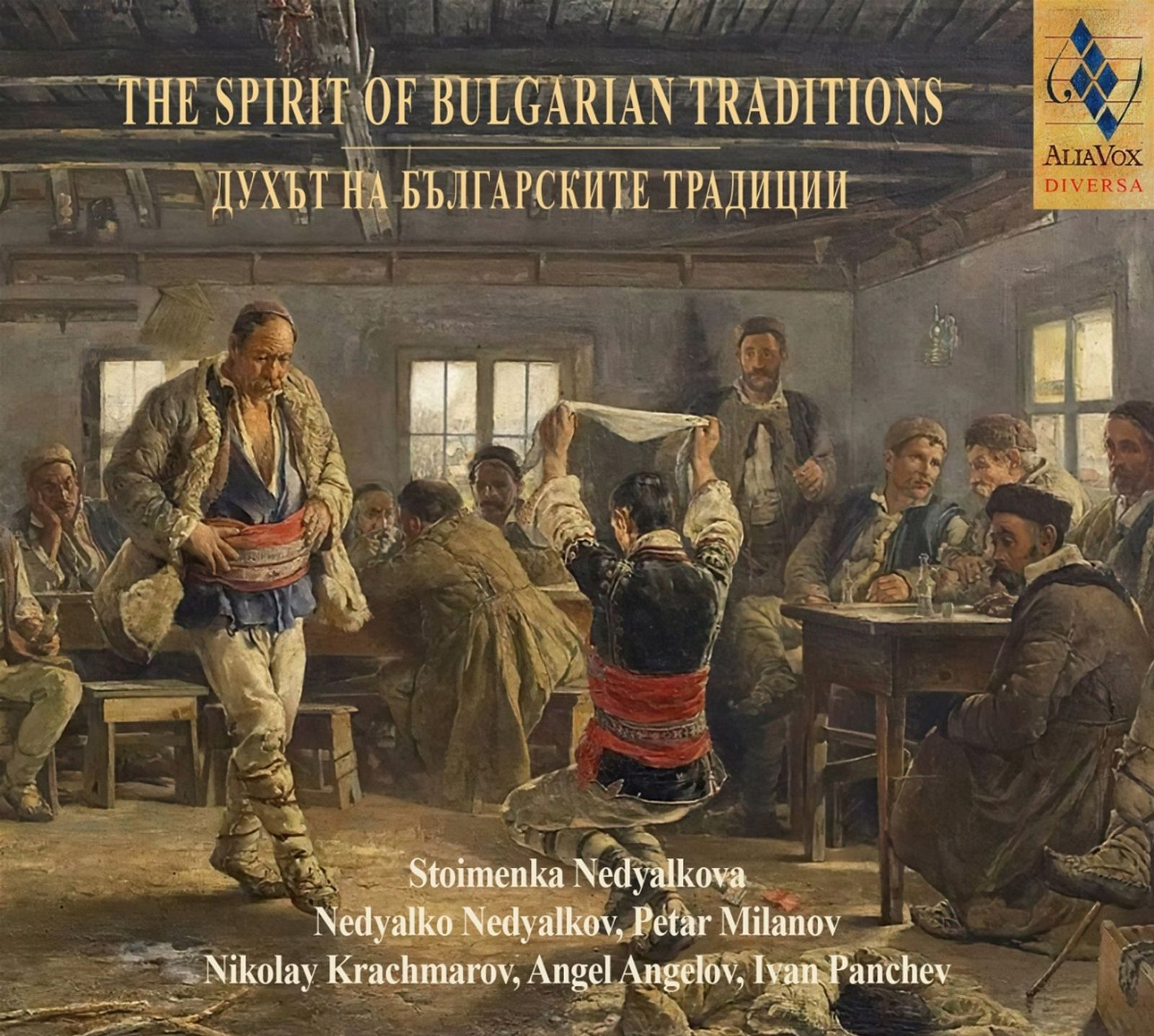
The Spirit of Bulgarian Traditions
19,90 €
Formát:
CD
Dostupnosť:
7-14 dní
Katalógové číslo:
AV9962
EAN kód:
8435408099622
Autori:
traditional
Interpreti:
Nedyalko Nedyalkov
Vydavateľ:
ALIA VOX
Zoznam skladieb
trad.: Belomorska Melodiyatrad.: Dali Tsarni Ochi niamam
trad.: Gaidalar Chalar
trad.: Dva Ergena & Bela Fatma
trad.: Malai
trad.: Uchurt Yorgi
trad.: Ari Mosha
trad.: Foaie Verde
trad.: Vlashka slow melody & Izruchanka
trad.: Stara Planino & Kondisal mi e Karadzhe
trad.: Karakachani Dance
trad.: Krivo horo
trad.: Zhatvarska pesen
trad.: Pirinska
trad.: Kaynana
trad.: Izkusala Baba
trad.: Eşeğeim
trad.: Kaba Gaida
trad.: Vaida Voda Nalivala
trad.: Nezifinka Bolna Lezhi
Popis
Once again, ALIA VOX remains true to its boutique offerings and reveals the secrets of Bulgarian minorities thanks to one of the geniuses of contemporary eth-no-music, Nedyalko Nedyalkov. The Spirit of Bulgarian Traditions is a project that pre-sents in summary form the exquisite and exceptionally intriguing melodies of ethnic groups that have settled in and inhabited Bulgarian lands. Over the years some of these minority groups have disappeared, while others still survive and create their own inimitable and often misun-derstood folklore. Therein lies the key to this successful project, which combines a skilful selection of ostensibly diametrically opposed geographical regions, all perfor-med in Nedyalko Nedyalkov's exceptional interpretation. The album magnificently interweaves melodies and songs from Aegean Thrace, Gagauzia (from the Varna re-gion and settlers from the Orestiada region), the Shoppe region near Sofia, Vlachia, the Pazardzhik region, a unique strip between the western Rhodope Mountains and Eastern Pirin Macedonian region (Pomak music), the music of Greek itinerant shepherds who inhabit Bulgarian territories (Karakachani), the Kopanari Roma, and others. Besides its ethnic diversity, the album also impresses with its natural sound, as it was recorded in a Catholic cathedral with no modern multi-tracking recording technology, which makes this product unique in terms of documentary content. The instruments used will also pique listeners' cu-riosity and showcase the possibilities of the Bulgarian three-register kaval, the Vlach duduk, the kaba (large) and dzhura (small) bagpipes, dvoyanka, gadulka, tambu-ra, tupan, daire and tarambuka.Prihlásenie
Newsletter


Copyright 2014-2026 © Hummel Music