








Košík
Váš košík je momentálne prázdny.
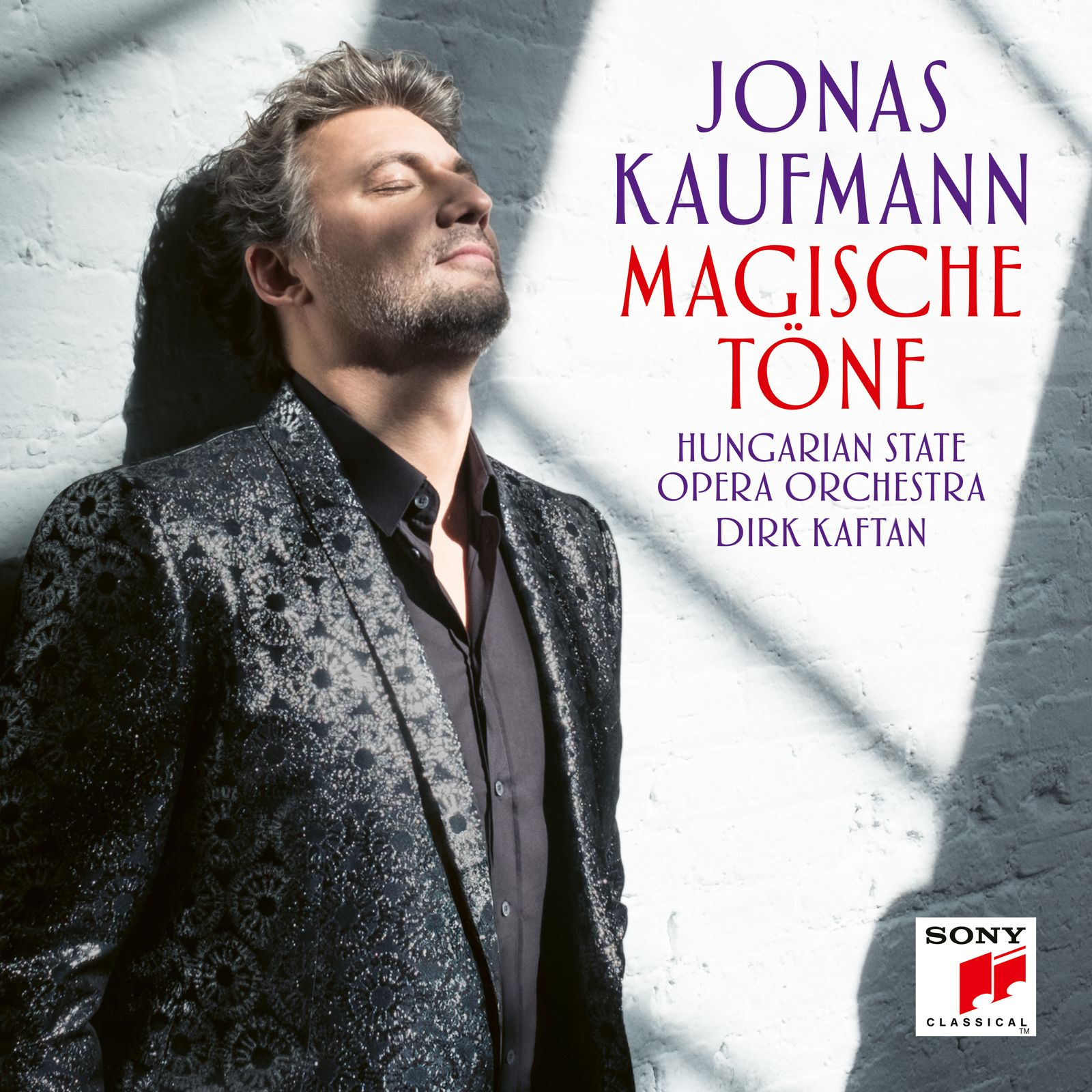
Jonas Kaufmann - Magische Töne (Arien & Duette)
14,90 €
Formát:
CD
Dostupnosť:
na sklade / dostupné okamžite
EAN kód:
0199584135427
Autori:
Emmerich Kálmán, Ferenc Erkel, Franz Lehár, Fred Raymond, Jenö Huszka, Karl Goldmark, Nico Dostal, Paul Abraham
Interpreti:
Hungarian State Opera Orchestra, Jonas Kaufmann
Vydavateľ:
SONY Classical
Zoznam skladieb
Dátum vydania: 10.4.20261
Emmerich Kalman: Komm, Zigany (From 'Gräfin Mariza')
2
Emmerich Kalman: Komm mit nach Varasdin! (From 'Gräfin Mariza')
3
Emmerich Kalman: Mondd meg hogy imadom a pesti noket 'Grüß mir mein Wien' (From 'Gräfin Mariza')
4
Emmerich Kalman: Liebe singt ihr Zauberlied (From 'Kaiserin Josephine')
5
Emmerich Kalman: Tanzen möcht' ich, jauchzen möcht ich (From 'Die Csardasfürstin')
6
Emmerich Kalman: Tief wie der Bergsee...so verliebt kann ein Ungar nur sein (From 'Der Teufelsreiter')
7
Franz Lehar: Es steht ein Soldat am Wolgastrand (From 'Der Zarewitsch')
8
Franz Lehar: O Mädchen, mein Mädchen, wie liebe ich dich! (From 'Friederike')
9
Franz Lehar: Ich trete ins Zimmer...Immer nur lächeln (From 'Das Land des Lächelns')
10
Franz Lehar: Wer hat die Liebe uns ins Herz gesenkt (From 'Das Land des Lächelns')
11
Franz Lehar: Schön wie die blaue Sommernacht (From 'Giuditta')
12
Paul Abraham: Ein Paradies am Meerestrand (From 'Die Blume von Hawaii')
13
Paul Abraham: Will Dir die Welt zu Füßen legen (From 'Die Blume von Hawaii')
14
Paul Abraham: Pardon Madame (From 'Viktoria und ihr Husar)
15
Paul Abraham: Nur ein Mädel gibt es auf der Welt (From 'Viktoria und ihr Husar')
16
Paul Abraham: Pardon, hogy bocsanat..Sing Sing (From 'Julia')
17
Paul Abraham: Der schönste Gedanke auf Erden (From 'Zigeuner der Nacht')
18
Fred Raymond: Die Juliska aus Budapest (From 'Maske in Blau')
19
Nico Dostal: Frag nur dein Herz, was Liebe ist (From 'Die ungarische Hochzeit')
20
Jenö Huszka: Londonban hej (From 'Bob herceg')
21
Ferenc Erkel: Hazam, hazam, te mindenem! (From 'Bank ban)
22
Karl Goldmark: Magische Töne, berauschender Duft (From 'Die Königin von Saba')
Popis
The new album "Magische Töne" by Jonas Kaufmann contains some of the most beautiful operetta and opera melodies. In addition to evergreens by Emmerich Kálmán, Franz Lehár and Paul Abraham, it also contains one of the most popular arias in the tenor repertoire: the eponymous Magical Tones from the opera The Queen of Sheba by Karl Goldmark.
After Vienna, now Budapest: Jonas Kaufmann has recorded his new album there with the orchestra of the Hungarian State Opera, conducted by Dirk Kaftan. The focus is on highlights by composers from the era of the Austro-Hungarian Dual Monarchy (1867-1918), with evergreens from the operettas of Emmerich (Imre) Kálmán, Franz (Ferenc) Lehár and Paul (Pál) Abraham leading the way.
"There is an incredible musical wealth that this era has produced," summarizes Kaufmann. "Looking back, we can be glad that the majority of these works were premiered in Vienna and written in German, which quickly made them internationally known and popular." In Hungarian, they would probably have remained a national art form - just like the operettas by Jenő Huszka (1875-1960), which were hardly ever performed outside Hungary despite their qualities. For this album, Kaufmann chose one of Huszka's best-known titles: Bob's entrance song from the operetta Bob herceg.
"There the whole world is still red-white-green" - is the last word in the duet Komm mit nach Varasdin from Kálmán's Countess Mariza. Of course, the colors of the Hungarian tricolor can be heard just as clearly in the music as in the lyrics and thus also represent a piece of national identity. But this second heyday of operetta also stands for that melancholy memory of a liberal, cosmopolitan, culturally diverse Europe that perished with the First World War and which Stefan Zweig described so vividly in his memoirs The World of Yesterday. Jonas Kaufmann's duet partner is Nikola Hillebrand, who has recently become one of the most sought-after sopranos of her generation.
For Dirk Kaftan, the conductor of the album, the recordings were a welcome reacquaintance with a genre that he studied in depth during his time as General Music Director in Graz. "Above all, you have to empathize with a musical language that cannot be written down. Gustav Mahler's famous sentence applies to this repertoire in particular: 'The most important things are not in the notes! This is another reason why I found the recording sessions with the Hungarian State Opera Orchestra so gratifying: the musicians know exactly what it's about and how to make it sound."
In Paul Ábrahám's innovative style, which enriched the operetta genre with elements of jazz, foxtrot and revue, Kaftan sees a clear parallel to the works of Kurt Weill, as "a means of expressing a future that was destroyed by the National Socialists".
Two opera titles round off the new album: the aria Hazám, hazám ("My homeland") from the opera Bánk bán by Ferenc Erkel - a passionate commitment to the Hungarian homeland - and "Magische Töne", the famous aria from Karl (Károly) Goldmark's The Queen of Sheba. These tones become magical when the singer knows how to coax delicate, intimate piano sounds from his voice in an exposed position - something that is particularly appealing to Jonas Kaufmann: "Someone once said to me: your loud tones are thrilling, but your quiet ones drive me crazy. Dramatic tones probably have more of an effect on the listener's body and nervous system, the quiet ones on the heart and soul."Prihlásenie
Newsletter


Copyright 2014-2026 © Hummel Music